






Adaptive Snow Sports in Canada Overview
Snow Sports Canada supports a national ecosystem that enables people with disabilities to access winter sport from recreation through high performance. The landscape is shaped by national partners, provincial networks, community clubs, resorts, health providers and adaptive equipment suppliers working together to deliver safe, progressive opportunities across alpine, snowboard and Nordic disciplines while advancing accessibility policy and coach development.
National networks, provincial delivery and historical context
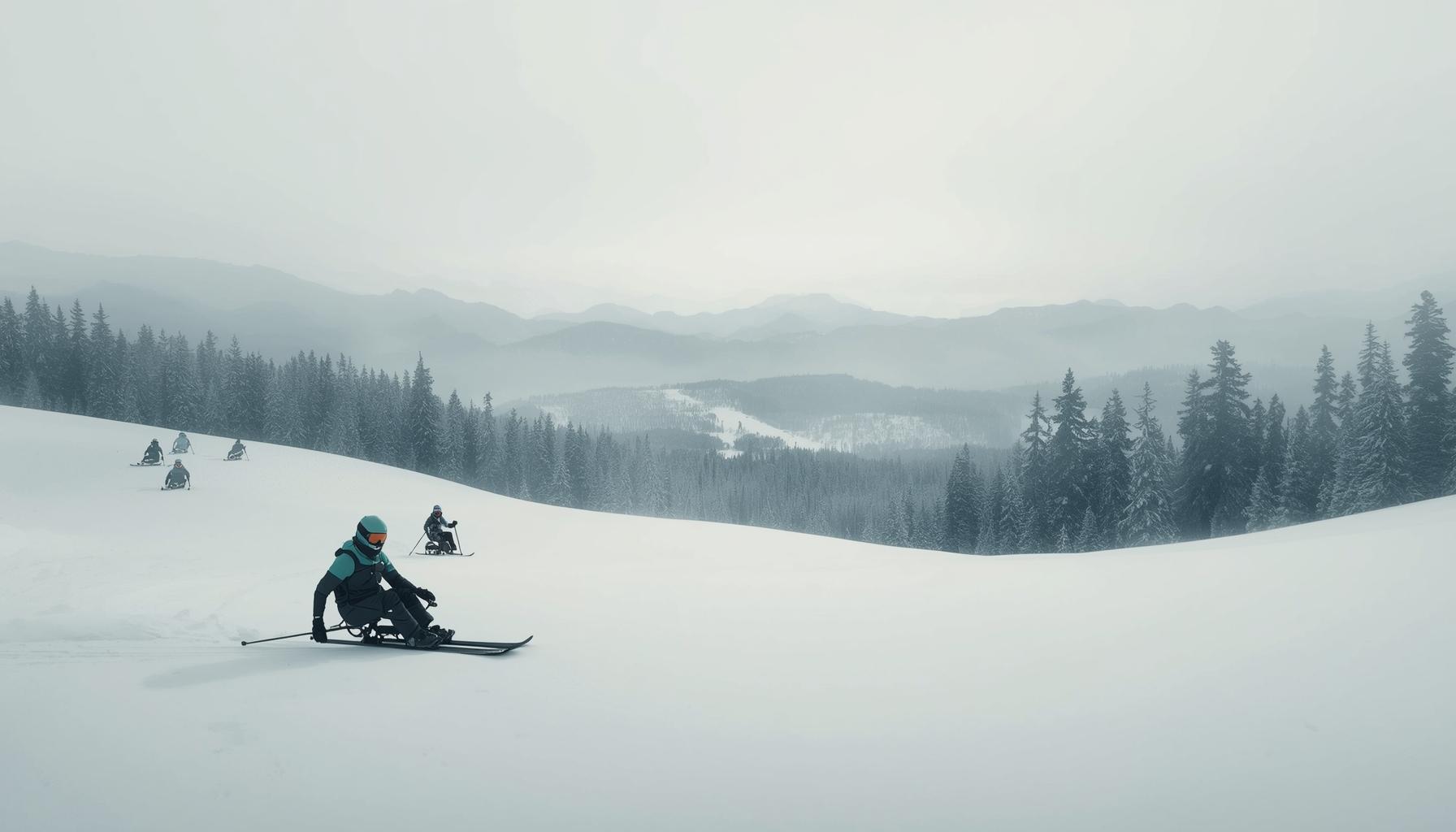
National partners create technical frameworks, classification pathways and coach certification standards that provinces and facilities adapt locally. Member organizations provide sport-specific programming, athlete talent pathways and competition governance, while national para sport bodies coordinate Paralympic selection and international representation. Provincial and territorial program networks combine resort-based adaptive schools, para sport associations, hospital rehabilitation referrals and mobile outreach to remote communities. Adaptive snow sport programming in Canada grew from rehabilitation work in the 1970s and 1980s into organized recreational offerings in the 1990s and into integrated high performance systems supporting Paralympic podiums since the 2000s. Policy and accessibility standards now reference federal and provincial human rights codes, municipal accessibility bylaws and national technical standards for facility access and safe lift operation.
Disciplines, program models and athlete progression
Alpine programming commonly uses sit-skis, mono-skis and outriggers for balance and turning, with clinic models ranging from drop-in try-it days to multi-week progression series. Para-snowboard adapts stance, binding setups and course features to impairment types and uses progressive terrain parks and banked slalom formats. Nordic delivery includes sit-ski frames, outriggers for poling and adapted biathlon with acoustic aiming systems; club-based loop programs provide consistent training environments. Many providers operate multi-sport hubs that integrate adapted skating, dryland strength training and on-snow cross-training, enabling athletes to transition between recreational participation and competition.
The pathway from first experience to high performance often follows identifiable stages: talent identification through school and rehab referrals, skill consolidation within club and resort programs, provincial performance squads and national development camps leading to Para-National teams. School-based initiatives and province-funded youth programs are critical intake points for sustained participation and early talent spotting.
Workforce, equipment and facility adaptations
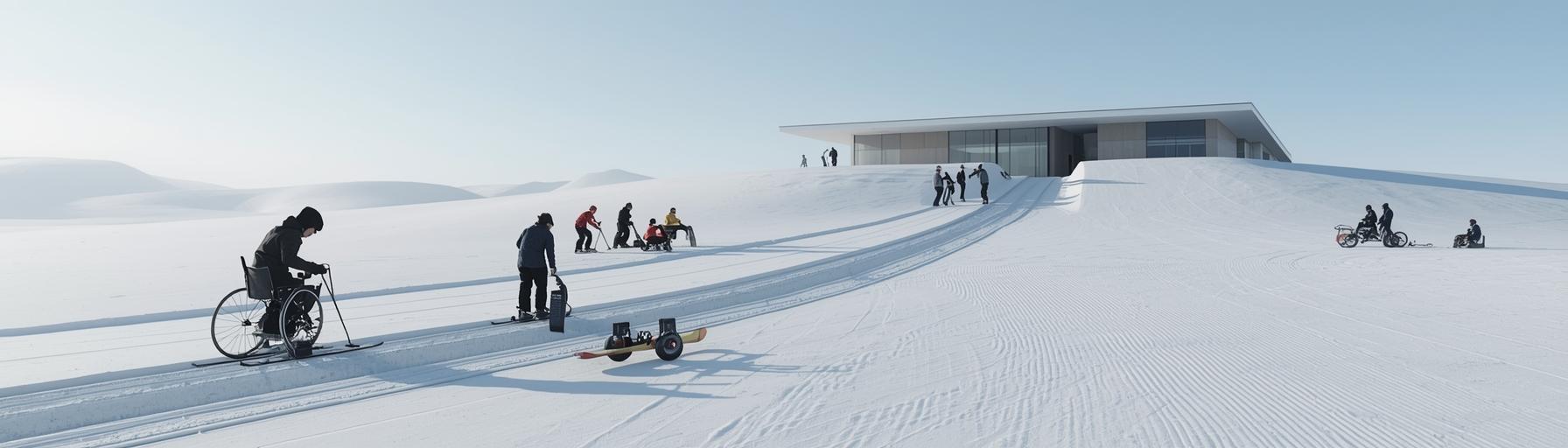
Coaching competencies emphasize technical skill instruction, adaptive technique understanding, impairment-specific safety and inclusive communication. National coach education includes modules on classification basics, emergency response and equipment fitting. Volunteer training and mentorship programs extend workforce capacity at weekends and events.
Adaptive equipment commonly used:
- sit-skis and mono-skis for seated alpine descent
- outriggers and forearm crutches for balance and propulsion
- prosthetic-specific bindings and interface plates for limb-different athletes
Facilities require physical adaptations such as groomed gentle lanes, lift loading modifications, wide queuing areas and transfer platforms. Emerging technologies like sensor-driven force feedback for balance training, VR for course visualization and robotics-assisted hoists are being trialed at select high performance centres.
Below is a snapshot of provincial delivery models, facility types and operational considerations to inform planners and funders
| Province/Territory | Typical lead program model | Representative facility types | Operational priorities |
|---|---|---|---|
| British Columbia | Resort-based adaptive schools paired with regional rehab referrals | Whistler Blackcomb-style adaptive centres, municipal hills with transfer platforms | Volunteer training, transport coordination, equipment pools |
| Alberta | Urban high performance hubs plus rural outreach clinics | Canada Olympic Park-style indoor training, mountain resort partners | Coach certification, integrated rehab-to-sport pathways |
| Ontario | Provincial para sport coordination with local resort and club delivery | Club loops, accessible lift-loading zones at medium-size resorts | School partnerships, youth program scale-up |
| Quebec | Francophone program networks connected to community health services | Ski areas with bilingual instruction, club trails for Nordic | Inclusive communications, regional coach recruitment |
| Manitoba & Saskatchewan | Community-led initiatives with seasonal outreach to northern communities | Small resort partnerships, mobile equipment trailers | Cost reduction strategies, transport and storage logistics |
| Atlantic provinces | Multi-sport centres and volunteer-reliant resort programs | Community centres for dryland prep, compact ski hills | Remote access planning, caregiver engagement |
Operations, funding and event design
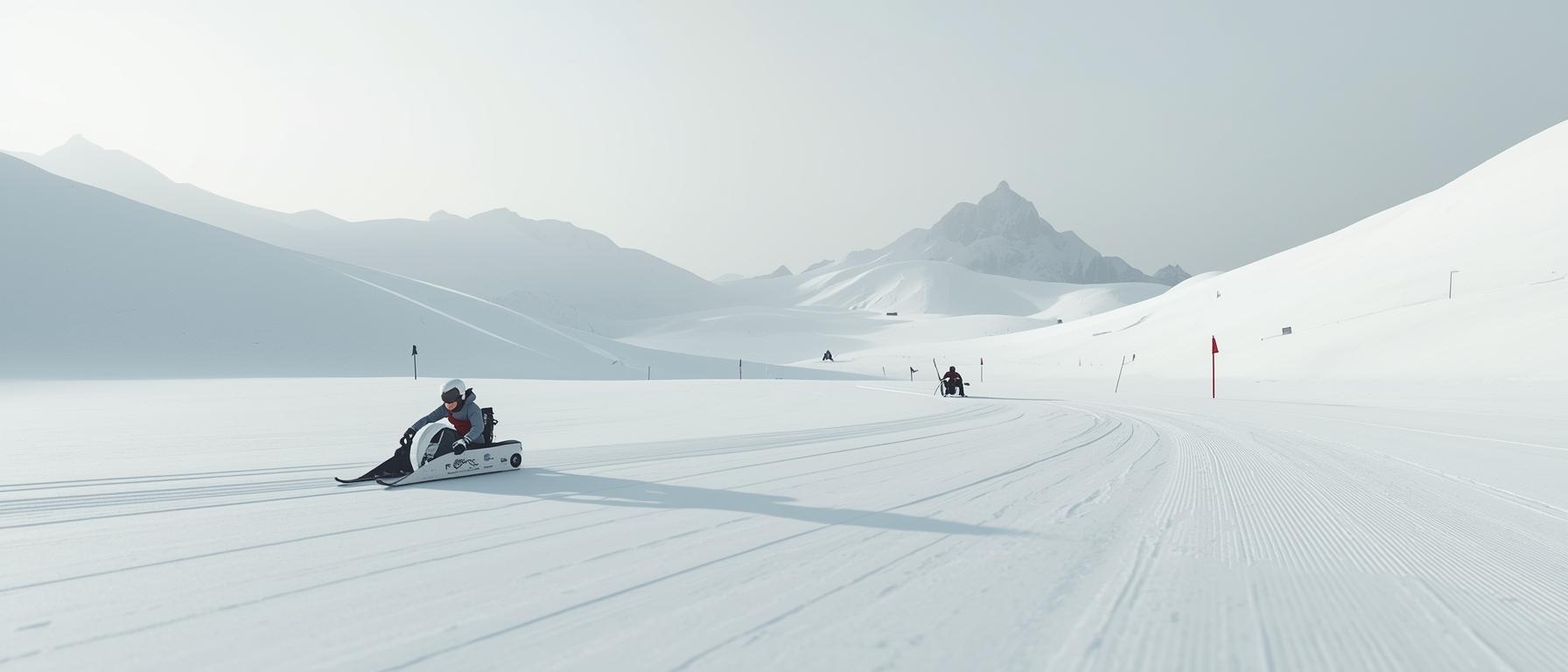
Best practices for operations include formal risk management plans aligned with provincial safety codes, scheduled equipment maintenance, volunteer credential verification and transportation protocols for participants with complex needs. Funding combines government grants, charitable contributions and corporate sponsorship, often supplemented by participant bursaries to address affordability. Sponsorship models that provide in-kind equipment or transport services reduce capital barriers and enable broader reach.
Competitions scale from grassroots regional gatherings to national championships governed by standard classification systems to ensure fair competition. Accessible spectator design, including viewing platforms and accessible amenities, increases community engagement and showcases athlete achievements.
Outcomes, research and partnerships
Measuring program impact uses mixed methods: registration and retention metrics, standardized physical function tests, psychosocial wellbeing surveys and longitudinal tracking tied to health partner data when consent allows. Research partnerships with universities and rehabilitation institutes have documented improvements in cardiovascular fitness, balance, mental health and community participation among adaptive participants. Data privacy and ethical protocols guide collection and storage of sensitive health and performance information.
Marketing, implementation and legal considerations
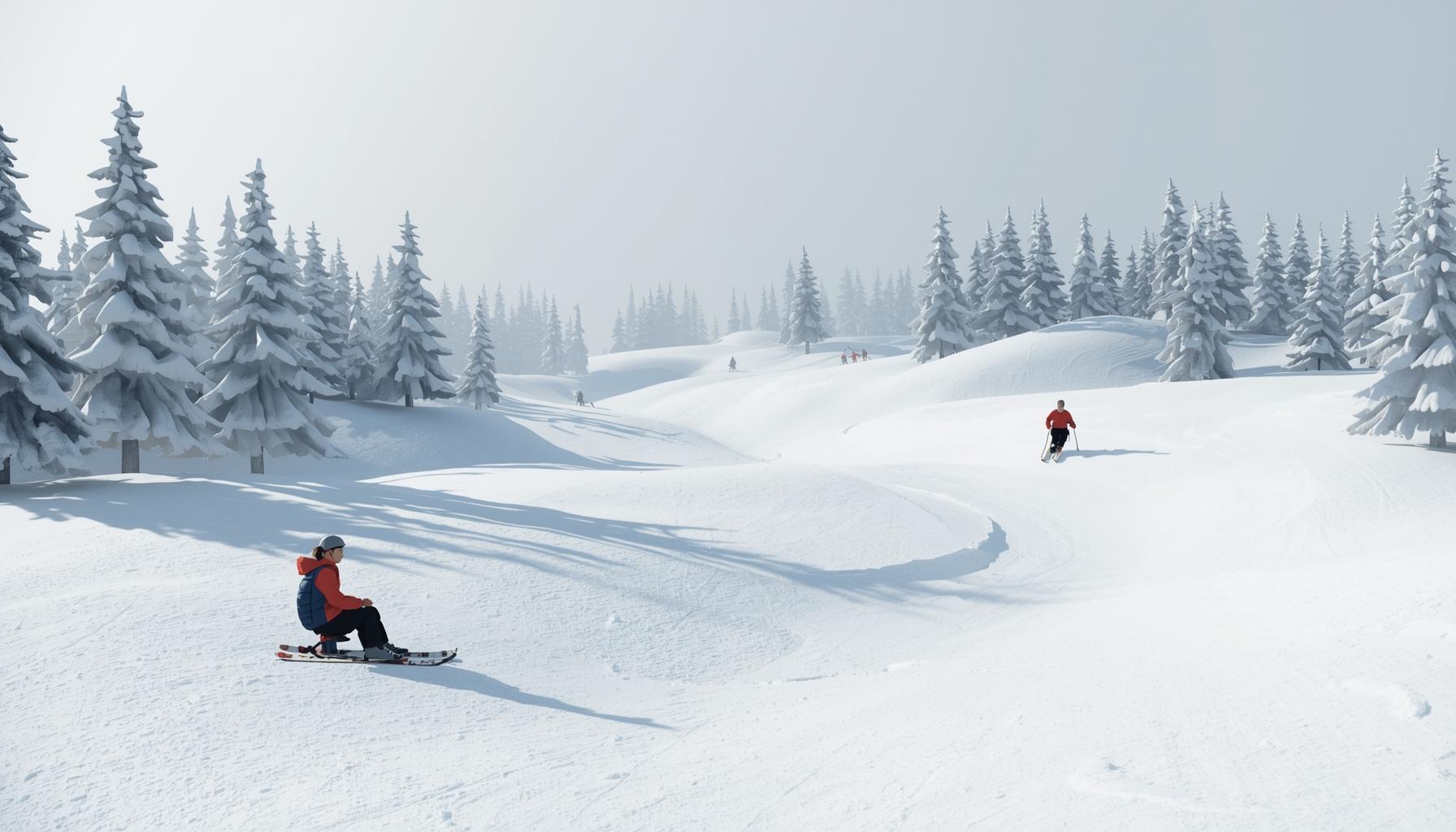
Effective awareness strategies combine athlete storytelling, targeted outreach to Indigenous and rural communities and cooperation with health referral partners. New program implementation benefits from a needs assessment, staffing and training checklists, equipment procurement plans and sample schedules aligned to participant flow. Legal and ethical practice requires documented informed consent, guardianship clarity for minors, emergency medical protocols and insurance arrangements that reflect adaptive sport risk profiles.
National coordination by Snow Sports Canada and its partners can accelerate capacity building by standardizing coach modules, consolidating procurement frameworks and supporting cross-provincial knowledge exchange. National leadership, combined with local innovation, produces sustainable, accessible pathways that enable Canadians with disabilities to benefit from winter sport at every level.